Moving from Canada
to Florida?
Start Here.

Whether you're buying a home, relocating permanently, or planning your next step — our trusted network helps Canadians navigate immigration, real estate, title, and insurance with one clear path forward.

Trusted guidance for Canadians moving to Florida
LegalMortgageReal EstateTitleInsurance
Get Started — It's Free
Where are you
in your move?

Select your stage and we'll connect you with the right specialist.

Free — no spam, no pressure.

You're all set!

A specialist will be in touch within 24 hours to help with your next step.

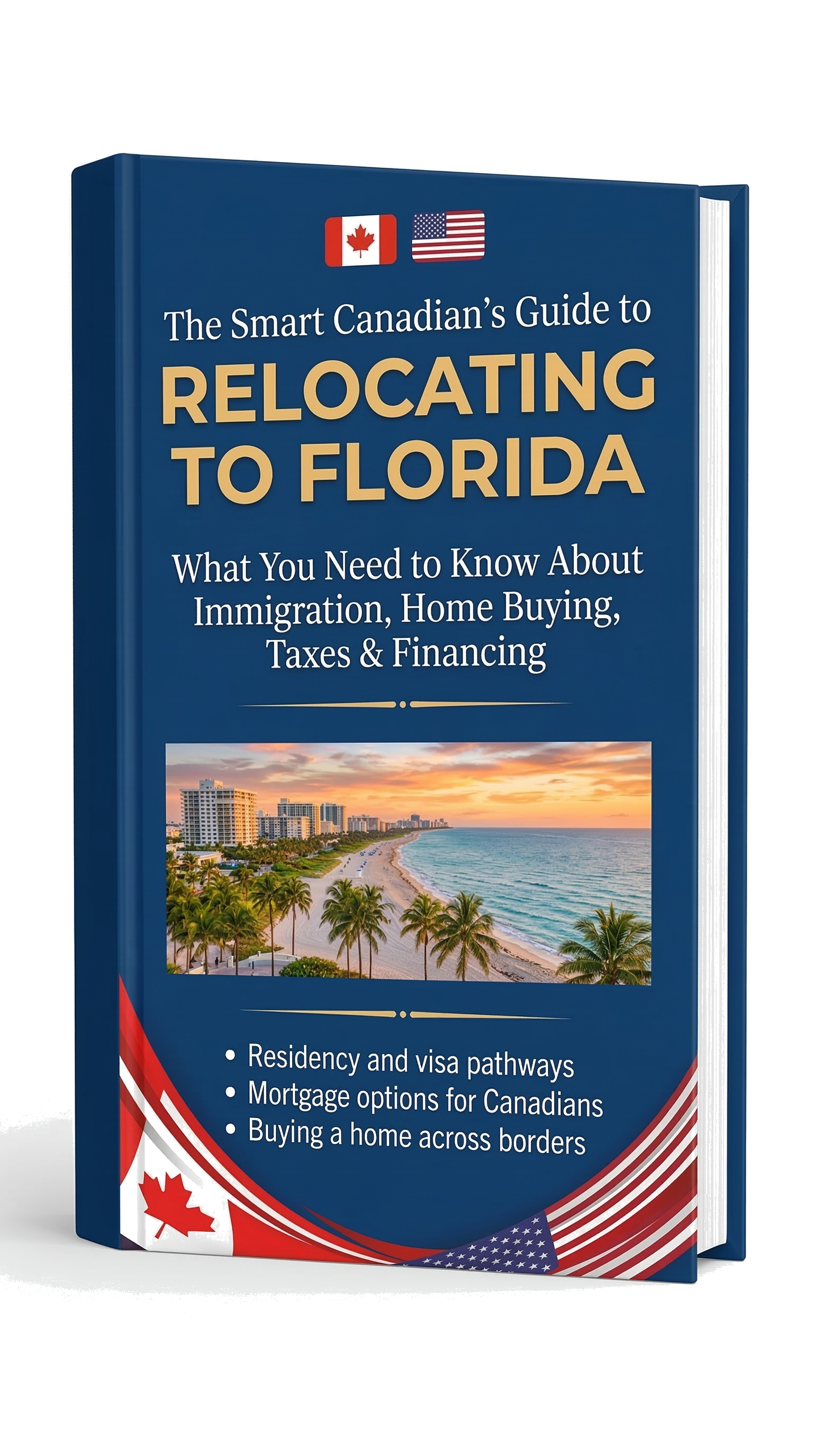
The Smart Canadian's Guide to Relocating to Florida
Free Resource

The Smart Canadian's Guide to Relocating to Florida

Everything you need to know before you make the move — immigration pathways, cross-border financing, buying property as a foreigner, and how to protect yourself with the right insurance and title coverage.

  • Visa options explained — B-2, TN, and permanent residency
  • Mortgage options available to Canadian buyers
  • FIRPTA, FBAR & cross-border tax considerations
  • Florida-specific insurance: hurricane, flood & title

No spam. Unsubscribe anytime.

One Network  ·  Five Specialists  ·  Zero Gaps

You don't have to figure out who to call.

Most Canadians moving to Florida end up piecing together advice from five different people who never talk to each other. Our network is different — your lead is routed to the right specialist from the start, and the whole team moves with you.

🍁 You
⚖️ Immigration
🏡 Real Estate
📋 Title & Closing
🛡️ Insurance
Let Us Handle Your Entire Move →

Tell us where you are — one form, and the right specialist reaches out within 24 hours.

Your Florida Specialists

Meet Your Relocation Team

Maimone Legal
Immigration Law
Maimone Legal
Maimone Legal, P.A.

Navigate your visa options, the Substantial Presence Test, and your legal status from day one. Whether you're a snowbird, a TN visa holder, or pursuing permanent residency — know your path before you cross the border.

Book a Legal Consultation →
Vito Labalestra
Real Estate
Vito & Ana Labalestra
Labalestra Realty Group

Find the right Florida community as a foreign national buyer — without the surprises. Vito and Ana specialize in helping Canadian buyers understand ownership structures, LLC vs. personal title, and how to buy smart across borders.

Book a Property Consultation →
James Avello
Title & Closing
James Avello
Butler Title

Close with confidence. FIRPTA withholding, title search, and settlement handled correctly for Canadian buyers. James ensures the paperwork protecting your investment is airtight — so nothing falls through at the finish line.

Book a Title Consultation →
David Deacon
Insurance
David Deacon
Brightway Insurance

Hurricane, flood, home, auto, and health coverage gaps that catch Canadians off guard — solved. David bridges the gap between your Canadian coverage ending and your Florida life beginning, with a plan built specifically for cross-border movers.

Book an Insurance Consultation →
80,000+
Members & Growing

Join the Largest Community of Canadians Moving to Florida

Our Facebook group is where 80,000+ Canadians ask questions, share experiences, and get real answers from people who've already made the move. It's free, it's active, and it's the best first step you can take.

Join the Community — It's Free
Common Questions

Frequently Asked Questions

As a Canadian citizen, you can stay in the U.S. for up to 6 months (182 days) per year as a visitor under the B-2 visa waiver. Staying longer or establishing permanent residency requires a visa. Be aware of the Substantial Presence Test — if you exceed certain day thresholds over a 3-year period, you may be considered a U.S. tax resident.

Common pathways include the TN visa (for certain professional occupations under USMCA), the EB-5 investor visa, family-sponsored green cards, and employer-sponsored visas. Each has different eligibility requirements, timelines, and costs. Speaking with an immigration attorney before making any commitments is strongly recommended.

Yes. Foreign national mortgages are available to Canadian buyers, though they typically require a larger down payment (25–35%) and may have slightly higher rates than U.S. resident mortgages. Some lenders specialize in cross-border financing. Having a Canadian credit history helps, but U.S. lenders will use their own qualification criteria.

Your provincial health coverage ends shortly after you establish permanent residency in Florida — typically within 30–90 days depending on your province. You'll need to secure private U.S. health insurance. As a new resident, you qualify for a Special Enrollment Period within 60 days of arrival. In the meantime, purchase bridge/travel insurance to cover the gap.

Yes. If you're establishing Florida residency, you must obtain a Florida driver's license within 30 days and switch to a Florida auto insurance policy to register your vehicle. Your Canadian insurance will not cover a permanent move. Request a letter of driving experience from your provincial insurer — U.S. insurers use this to give you credit for your driving history.

FIRPTA (Foreign Investment in Real Property Tax Act) requires that when a foreign national sells U.S. property, the buyer must withhold 15% of the sale price and remit it to the IRS as a prepayment of the seller's capital gains tax. As a Canadian buyer, your title agent will handle this. As a future seller, proper planning can reduce or recover this withholding.

The right ownership structure depends on your residency status, estate planning goals, and tax situation. A personal purchase is simplest but exposes you to U.S. estate tax. An LLC can offer liability protection and privacy. A trust may be more efficient for estate planning. A cross-border attorney and accountant should review your specific situation before you close.

Not automatically. Standard Florida homeowners policies often exclude wind damage and almost always exclude flood damage. You'll likely need separate windstorm coverage (or a policy endorsed for it) and a separate flood insurance policy through the National Flood Insurance Program (NFIP) or a private insurer. Florida's insurance market is unique — working with a local specialist is essential.

The Substantial Presence Test is how the IRS determines if a non-U.S. citizen is a U.S. tax resident. You meet it if you've been in the U.S. 31+ days in the current year AND 183+ days over the past 3 years (using a weighted formula). If you meet this test, you may owe U.S. taxes on your worldwide income — even without a green card. Careful day-counting is critical for snowbirds.

FBAR (Foreign Bank Account Report) is a U.S. Treasury filing required for any U.S. person with foreign financial accounts totaling more than $10,000 at any point during the year. If you become a U.S. tax resident and still have Canadian bank accounts, RRSPs, or TFSAs, you may be required to file an FBAR annually. Penalties for non-compliance are severe — this is one of the most important cross-border compliance issues to address early.